- Low heat load and reliable indoor cooling
Samoyeds have low heat tolerance, so cities with fewer extreme-heat days and lower AQI stress should move up the shortlist.
- Cold-capable markets with enough walkable days
Samoyeds can handle cold better than many breeds, so the bigger question is exercise access and housing friction.
- High walkability, park access, and backup exercise options
Samoyeds are high-energy, so low-friction daily exercise matters more than a generic city score.
- Enough vet supply for routine and urgent care
Cities with stronger veterinary density leave more room for new-patient access, emergency planning, and specialist referrals.
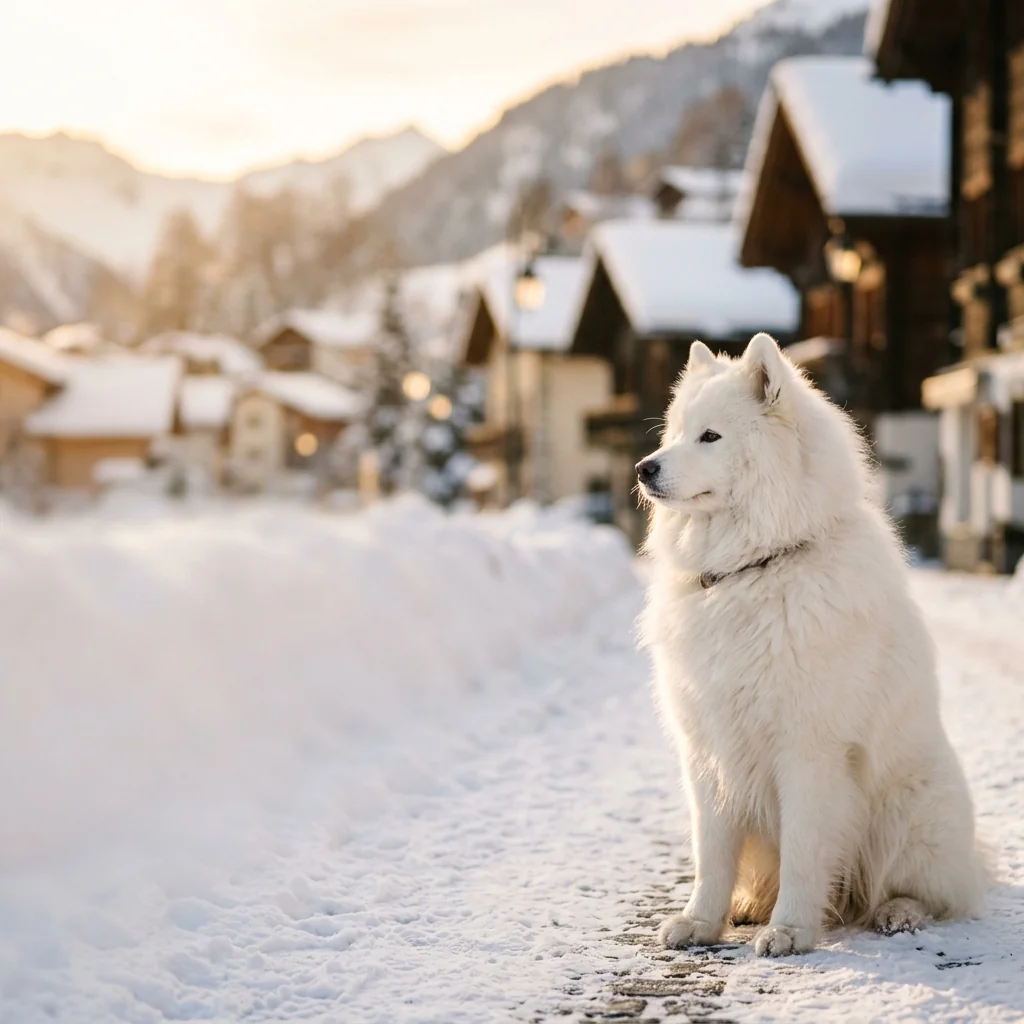
All Breeds
Samoyed move risk by city
Is the Samoyed the right breed for you? Learn more about the Samoyed including personality, history, grooming, pictures, videos, and the AKC breed standard.
Heat Tolerance
10/100
Cold Tolerance
98/100
Energy Target
80/100
What This Breed Needs Before a Move
This page re-scores representative cities from the same underlying dataset as the main index, but weights climate, exercise, access, housing friction, and breed-law risk through a Samoyed-specific lens.
For Samoyeds, the biggest environmental question is whether the local weather fits a breed with limited heat tolerance and strong cold tolerance. The highest-ranked cities average 229 walkable days a year, which gives owners a steadier routine than harsher climate markets.
Samoyeds are a relatively high-drive breed, so the best-performing cities tend to combine outdoor access with enough off-leash supply to avoid turning everyday exercise into a logistics problem. In the current top tier, cities average 0.7 dog parks per 10,000 residents.
Legal restrictions are usually less important for Samoyeds than for commonly targeted breeds, so the model leans more heavily on climate comfort, vet access, and recurring ownership costs. The current top cities average 6.6 veterinary clinics per 10,000 residents.
Right now, cities like Grand Rapids, Lansing, Akron rise to the top because they balance those needs more effectively than the national baseline, rather than excelling on a single metric alone.
Samoyed relocation fit profile
Use this before the city list: it translates breed traits into move filters, risk patterns, and safer comparison paths.
- Hot metros with many 95F+ days
Treat high-heat cities as a scenario check, especially for renters without control over HVAC, shade, or walking windows.
- Park deserts or cities with limited walkable days
A high-energy dog can make a technically affordable move feel unworkable if every walk requires a drive or weather workaround.
- Vet deserts or high recurring pet-cost pressure
Thin vet access and expensive recurring pet costs should be cleared before a lease looks truly affordable.
- Heat sensitivity changes the ranking
A city can score well overall and still be a poor fit if daily routines collapse during summer heat or smoke/pollution events.
- Exercise demand is a housing constraint
For this breed, neighborhood access, lease limits, and daily movement routines are part of the move decision, not lifestyle extras.
- Local rules still matter even without breed targeting
Breed-law risk is lower, but landlords may still apply weight, pet-rent, insurance, or building-specific restrictions.
Breed-Specific Move Fit
Cities re-scored for Samoyed using climate exposure, veterinary access, dog-park supply, pet costs, and breed-law risk. Use the warnings as a pre-lease verification list, not as legal or veterinary advice.
01
A
Double coat thrives: 45 days/yr < 20°F
235 walkable days/yr (31% above national med)
High vet density: 3.99 vets/10k
03
A
Double coat thrives: 38 days/yr < 20°F
244 walkable days/yr (36% above national med)
High vet density: 5.06 vets/10k
06
A
Heat risk: 37 sweltering days/yr (>95°F)
238 walkable days/yr (32% above national med)
High vet density: 9.05 vets/10k
08
A-
Double coat thrives: 50 days/yr < 20°F
219 walkable days/yr (22% above national med)
High vet density: 4.01 vets/10k
09
A-
Double coat thrives: 38 days/yr < 20°F
244 walkable days/yr (36% above national med)
High vet density: 4.28 vets/10k
Methodology & Data Sources
The data presented on this page is compiled from public government and institutional datasets, then translated into a comparison model for readers. Some fields are estimated, normalized, or joined across sources.
- Climate & Habitability: NOAA 1991–2020 U.S. Climate Normals — Localized historical weather station measurements calculated via Haversine distance matching.
- Veterinary Access: US Census County Business Patterns (CBP) 2022 — NAICS 541940 (Veterinary Services) establishment records cross-referenced with ACS 5-Year Population Profiles to accurately model clinic capacity per capita.
- Pet Rent & Cost Indices: Derived from Census ACS 2022 Median Rent and adjusted by an internal housing-friction estimation model described in our methodology.
- Parks & Recreation: Overpass Turbo / OpenStreetMap — verified coordinates of off-leash areas and enclosed dog parks.
- Disaster Risk: FEMA National Risk Index for natural disaster exposure scores.
- Breed Legislation (BSL): Municipal code research and curated tracking of city Breed-Specific Legislation restrictions and ordinances.
Disclaimer: Tails.city is an editorial comparison and diligence tool, not legal, veterinary, or financial advice. While we aim for accuracy, local ordinances, lease terms, and source datasets can change. Always verify laws, property rules, and local conditions before relocating. To learn more, read our detailed methodology.
Ready to go deeper? Start with Grand Rapids, MI for a full move / lease risk check, then compare the same breed against another city or review more breed profiles.